
To use AI market research in 2026, apply AI to the three places it genuinely helps: validating that respondents are real, cleaning and structuring data, and drafting first-pass analysis, while keeping human judgement on the questions you ask and the decisions you make. Start from a clear decision, field to a verified panel, and treat AI output as a fast first draft to interrogate, not a final answer. We build Vase.ai, so we will be upfront: our platform pairs AI-validated responses and a real-time dashboard with a verified 3.6 million-person Southeast Asian panel, returning insights in as little as 24 hours from around USD 1,000. For deep qualitative or bespoke enterprise work, a specialist may still fit better.
What does “AI market research” actually mean in 2026?
The phrase covers a lot, and not all of it is real. Because we build research software, we are wary of “AI” as a sticker. What matters is where AI genuinely improves the work: confirming respondents are real people rather than bots, cleaning and structuring messy data in seconds instead of hours, and surfacing a first draft of the insight without you building every chart by hand. Used well, AI compresses the boring middle of research so you spend your time on the questions and the decisions. Used badly, it produces confident-sounding nonsense from bad data faster than ever.
Where should you use AI in a study?
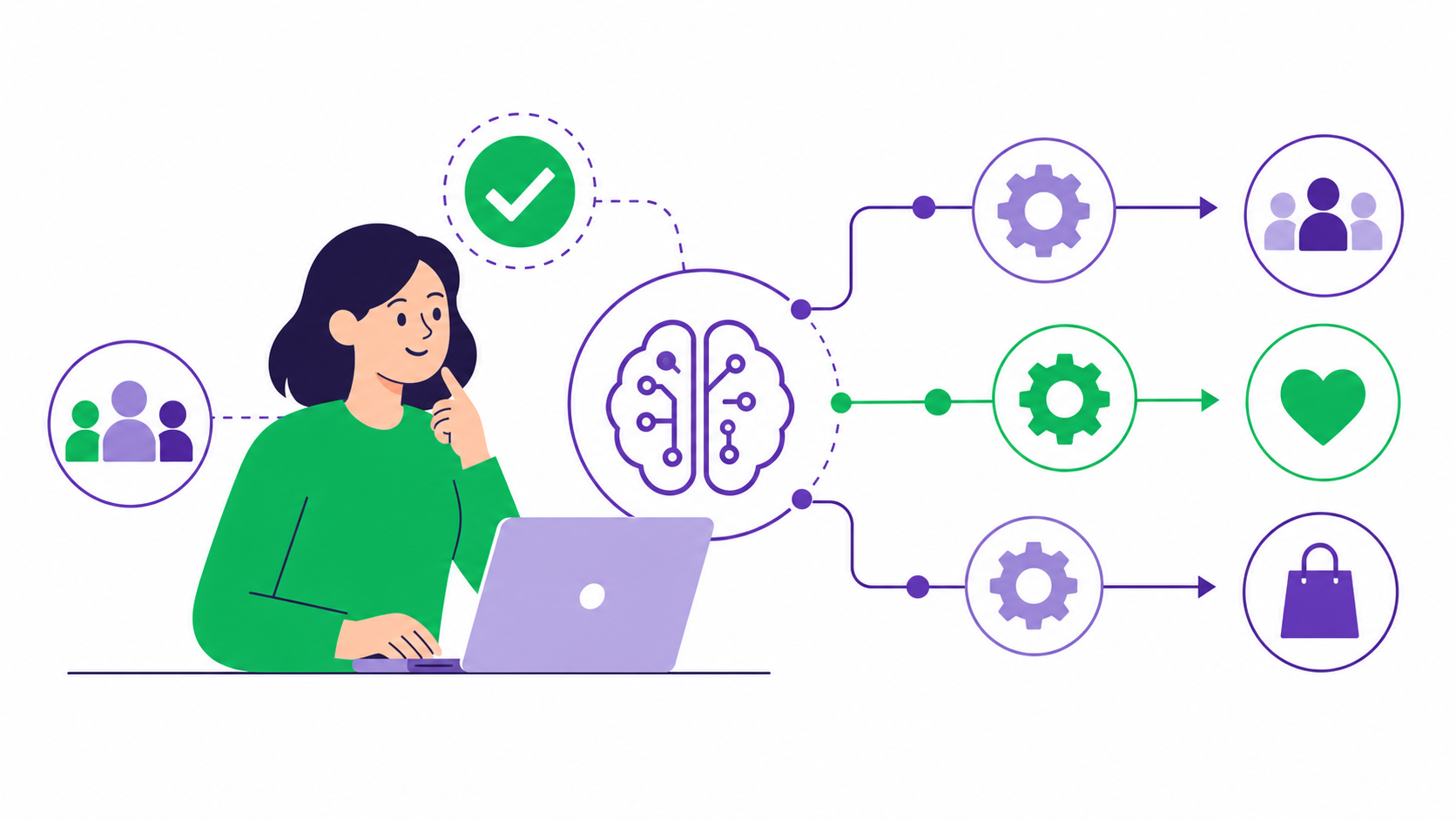
Think of a study in stages, and apply AI where it earns its place. At the design stage, AI can suggest question wording and flag leading or double-barrelled questions, but you own the objectives. At the fieldwork stage, AI validation checks that responses come from real, engaged people, catching bots, speeders, and straight-liners. At the analysis stage, AI can summarise open-ended responses, cluster themes, and draft a first-cut narrative. And at the reporting stage, it can turn findings into plain-language summaries for stakeholders. The rule of thumb: let AI accelerate the mechanical work, and keep humans on judgement.
How do you use AI market research step by step?
Start from the decision, not the tool: write down the business question you need answered. Choose a platform whose AI does real validation and analysis, and check how it verifies respondents. Define your audience and a sample big enough for the subgroups you care about. Field the study to a verified panel so the AI is cleaning good data, not polishing junk.
Read the AI’s first-pass analysis critically, treat it as a smart intern’s draft, then dig into the “why” behind the numbers. Finally, make the decision and record what you learned for next time. With Vase.ai you can run this DIY or with our research experts, and add a full written report (from about MYR 4,700) when you are presenting to leadership.
What can AI not do, and where do humans still win?
Plenty, and we would rather say so. AI cannot tell you which decision matters. That is strategy. It cannot reliably surface a motivation nobody thought to ask about. That is what qualitative exploration is for. And it cannot be trusted blindly on small or biased samples, because it will happily generate a tidy story from unreliable data. The failure mode in 2026 is not too little AI; it is over-trusting AI output without checking the data underneath it. Keep a human asking “does this make sense, and would I bet on it?”
AI-assisted vs traditional research: what changes?
| Stage | Traditional | AI-assisted |
|---|---|---|
| Fieldwork speed | Weeks | As little as 24 hours |
| Data cleaning | Manual, slow | Automated validation |
| Open-end analysis | Hand-coded | AI-clustered, human-checked |
| First-draft insight | Analyst writes from scratch | AI drafts, human refines |
| Cost per study | High | From ~USD 1,000 |
How do you keep AI research trustworthy?
Trust comes from the data, not the model. Insist on a verified, representative sample, because the best AI in the world cannot fix a biased one. Ask how respondents are validated and how much data is typically removed. Read the actual questions, since leading wording corrupts even AI-cleaned data. And sanity-check AI summaries against the underlying charts before you repeat them to anyone. On Vase.ai, responses are AI-validated precisely so the insight sits on clean foundations, but the discipline applies whatever platform you use.
When is Vase.ai the right fit, and when not?
We would back Vase.ai if you want to put AI to work on the parts of research that genuinely benefit from it: validating responses as they arrive, speeding up fielding, and surfacing patterns in open ends. Our panel covers 3.6 million verified Southeast Asian consumers, insights can come back in as little as 24 hours, and you can run studies DIY or with our research experts. Where we are honestly not the best fit: if you need decades of normative data to interpret an AI-generated read, Ipsos and Kantar hold that. Qualtrics is stronger if what you want is enterprise experience management across employees and customers. And if the question is fundamentally qualitative, a specialist qualitative agency will still beat any automated approach.
Frequently asked questions
How do you use AI in market research?
Apply it where it genuinely helps: validating that respondents are real, cleaning and structuring data, clustering open-ended answers, and drafting first-pass analysis, while keeping human judgement on your objectives, question design, and the final decision. Treat AI output as a fast draft to interrogate, not a finished answer.
Is AI market research accurate?
It is only as accurate as the data underneath it. AI validation improves data quality by catching bots and low-effort responses, but a biased or unverified sample will still produce misleading results. Accuracy comes from a verified, representative sample plus neutral questions, with AI accelerating the analysis.
Can AI replace market researchers?
No. AI speeds up the mechanical parts of research, cleaning, structuring, summarising, but it cannot decide which questions matter, interpret nuance, or own a business decision. The strongest 2026 setup pairs AI’s speed with human judgement.