
Quick answer: The best brand tracking platform for a Malaysia FMCG brand is one that measures the full funnel from awareness to regular purchase, reads results by ethnicity, region and shopping channel, and handles festive seasons without breaking trends. Compare platforms on panel quality, how often you can track, how quickly results arrive, and whether the questionnaire can stay stable over time. Awareness alone will not tell you why share is moving.
Why is FMCG brand tracking in Malaysia its own problem?
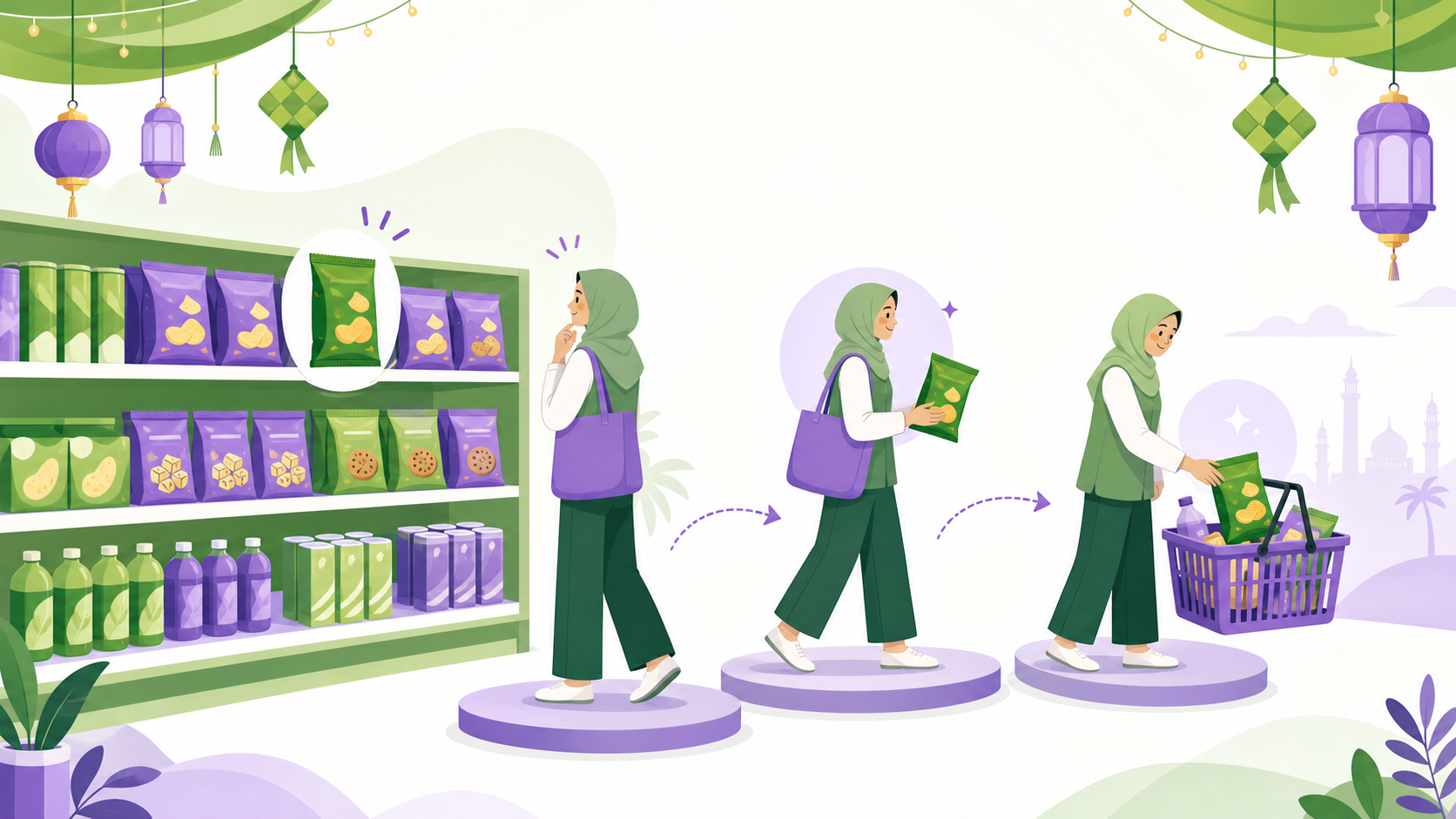
FMCG brands live on frequent, low-involvement purchases, so the useful signals sit lower in the funnel: consideration, last purchase, main brand and switching. A tracker built for high-ticket categories, which focuses on awareness and image, often misses the shifts that show up in shelf share a few months later.
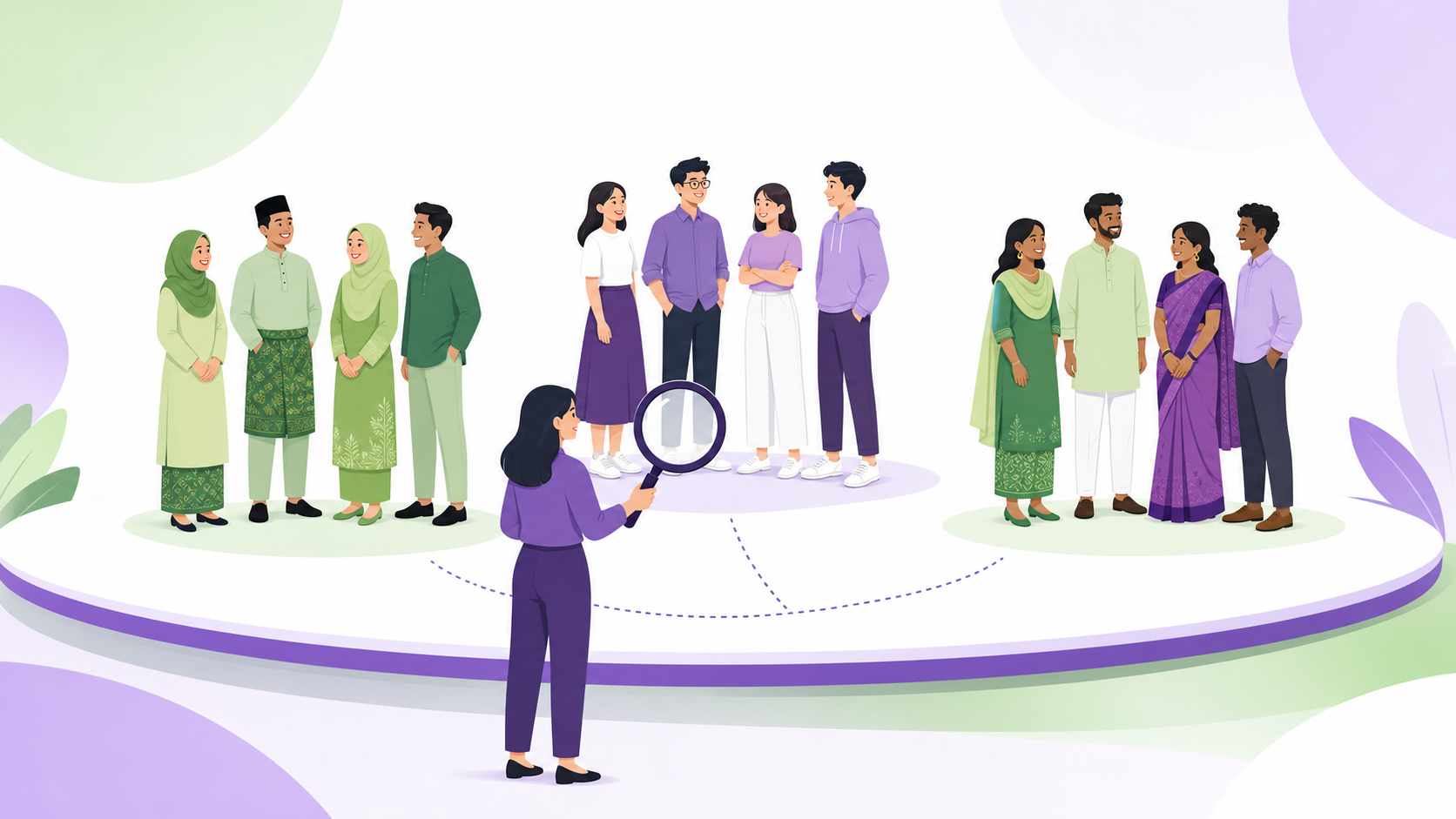
Malaysia adds further layers. Category behaviour can differ across Malay, Chinese and Indian consumers, and between Peninsular and East Malaysia. Hari Raya, Chinese New Year and Deepavali shift both media spend and buying patterns, and the mix of hypermarkets, convenience stores, sundry shops and e-commerce changes which brands shoppers even see. A good tracker is designed with these splits from day one.
Which metrics should an FMCG tracker cover?
| Funnel stage | Typical question | Why it matters for FMCG |
|---|---|---|
| Awareness | Unaided and aided brand awareness | A baseline, but slow to move for established brands |
| Consideration | Brands you would consider buying next time | Shows whether campaigns are widening your choice set |
| Purchase | Brands bought in a recent period, and brand bought last | Links the tracker to actual behaviour |
| Loyalty | Main brand and likelihood to switch | Spots leakage before it shows in sales data |
| Equity | Image attributes and value for money | Explains why the funnel is moving |
| Channel | Where the category was last bought | Separates distribution issues from brand issues |
If your current tracker leans on awareness and liking, our checklist of signs your Malaysia brand tracker uses the wrong metrics is a useful health check.
What should you compare between brand tracking platforms?
- Panel quality and verification. Ask how respondents are verified and how speeders, straight-liners and duplicates are removed. Poor sample creates noise that looks like brand movement.
- Representation. Check that you can read results by ethnicity, region and age without tiny bases, and that East Malaysia can be included if it matters to your category.
- Tracking frequency. Monthly or continuous tracking catches campaign and festive effects that a twice-yearly wave will miss.
- Speed to results. A real-time dashboard lets the brand team react while a campaign is still live.
- Questionnaire stability. The platform should make it easy to keep core questions identical wave to wave, and to add topical modules without disturbing the trend.
- Language. Questionnaires should be available in Bahasa Malaysia, English and Chinese where needed, with consistent translation across waves.
- Support model. Decide whether you want to run the tracker yourself or have research experts manage design and reporting.
How do the main options compare?
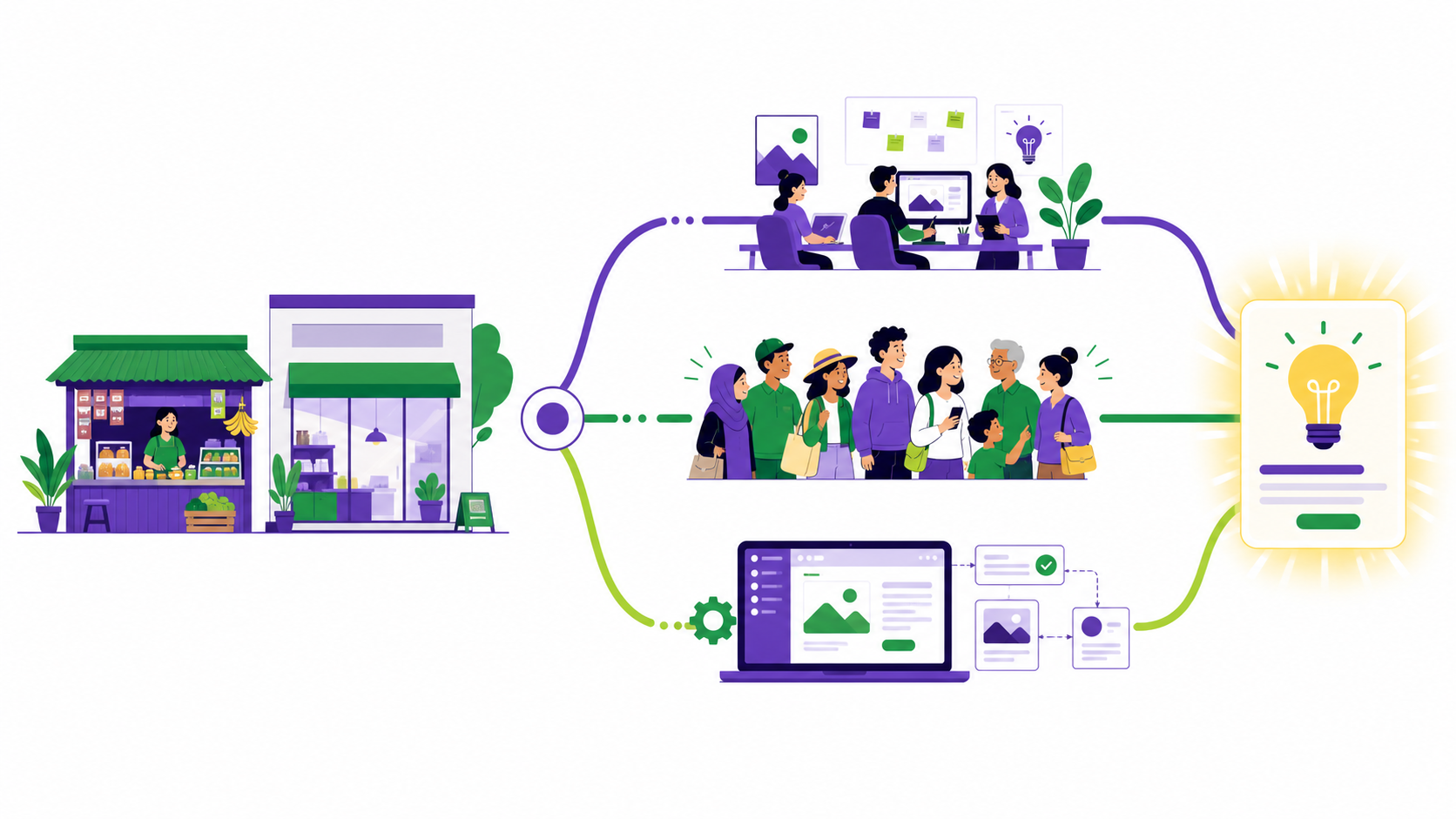
Broadly, Malaysia FMCG teams choose between three routes. Global agencies such as Kantar and Ipsos run established brand equity trackers with their own frameworks and benchmarks. Panel-based providers such as YouGov offer always-on brand monitoring built on their own panels. Research platforms such as Milieu Insight and Vase.ai let teams set up and run their own tracker on a consumer panel, with the option of expert help.
| Route | Strength | Consider if |
|---|---|---|
| Agency equity tracker | Proprietary frameworks and benchmarks | Global head office needs a common metric across markets |
| Syndicated brand monitor | Always-on data on many brands at once | You want a competitive read without designing a study |
| Platform-run custom tracker | Your own questions, frequency and splits | You want flexibility and fast access to results |
How do you handle festive seasons without breaking the trend?
Festive periods are when FMCG brands spend most and learn most, but they can also distort a tracker. Keep fieldwork running through the season rather than pausing it, so you see the lift and the decay. Flag festive waves in your reporting, compare each festive period with the same festival in the previous cycle rather than with the month before, and avoid changing questionnaire wording around a festive wave.
Sample composition matters here too. Hari Raya effects will be strongest among Malay consumers, Chinese New Year among Chinese consumers, so keep quotas stable by ethnicity. If the mix drifts between waves, a shift in the overall result may simply reflect who answered.
What does a sensible set-up look like?
- Agree the business questions first, for example whether a relaunch is winning switchers from a competitor.
- Lock a core questionnaire covering the funnel, equity and channel, and keep it stable.
- Set quotas by ethnicity, region, age and gender that mirror your category buyers.
- Track monthly or continuously, with bases large enough to read key subgroups.
- Review results alongside sales and distribution data each month.
For a broader view of platform selection, see how to choose a brand health tracking platform in Malaysia.
Where does Vase.ai fit?
We build Vase.ai so brand teams can run their own quantitative brand tracker on a verified panel of Southeast Asian consumers, with AI-validated responses and results arriving in a real-time dashboard. You can manage it DIY or have our research experts handle survey building and a full research report.
If you are rethinking how your FMCG brand is tracked, start with the business question behind it. Tell us which decision the tracker needs to inform, for example a relaunch, a festive campaign or a competitor's entry, and we will talk it through with you.
Frequently asked questions
How often should an FMCG brand track in Malaysia?
Monthly or continuous tracking suits most FMCG brands, because campaigns, promotions and festive seasons move the funnel quickly. Quarterly tracking can work for stable categories with little media activity.
Should East Malaysia be included in a brand tracker?
Include Sabah and Sarawak if they matter to your distribution or sales. Read them as a separate group where bases allow, since category habits and brand availability can differ from the Peninsula.
Can I switch tracking platforms without losing my trend?
You can, but run old and new trackers in parallel for at least one or two waves, keep the core questions identical, and expect a small step change caused by the different sample source.